9/27/2020
Published in UX Collective (uxdesign.cc).
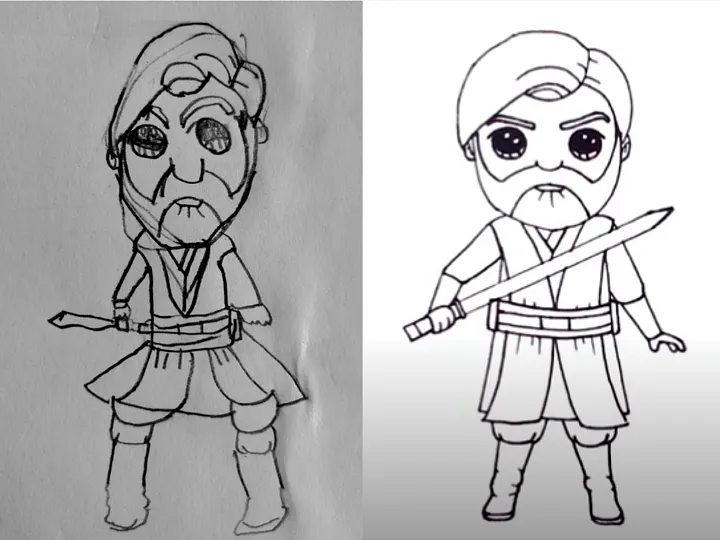
Well-defined processes turn teams into a system that can run effective experiment after effective experiment. The article makes that point with a light-hearted drawing experiment: the same person draws twice—once from a prototype only, once following a step-by-step video. The second drawing matches the prototype better (details, lines, accuracy). The analogy: processes are like that video—they reduce missing “details” and increase consistency.
It then defines effective at two levels:
- Single experiment: a read we can trust, actionable learnings, and a clear prove/disprove of the hypothesis.
- Experiment program: high output, steady results, test-and-learn culture, focus on highest-return tests.
Missing details in process (e.g. skewed segments, wrong metrics) invalidate reads or block learning. The article links to other process pieces: how to test big, how to determine metrics, and prioritisation. Processes help both generalists (thoroughness) and specialists (consistency and filling gaps).